Blog

Brake Rotor Wear Signs Every Driver Should Know

Apexsupplydirects writes these notes from the workshop floor, so the advice you get here comes from parts we have actually fitted, measured and returned. Nothing below is theory pulled off a spec sheet. If a torque figure or a wear limit looks wrong for your car, ring us and we will check it against the manual before you spend a cent.

Rotors rarely fail without warning. The trouble is that the warning arrives slowly, so people learn to live with a shimmy at 80 km/h or a grinding noise that only turns up on cold mornings. By the time the pedal starts to pulse on every stop, the disc is usually well under minimum thickness and the pads have been cooked along with it. The easiest check at home is thickness. Take a cheap set of calipers or a dedicated brake gauge and measure the disc face where the pad has been running. Minimum thickness is stamped on the rotor hub or listed in your owner's manual. If you're within half a millimetre of that figure, plan the replacement now rather than waiting for a squeal you can't ignore. Runout is the other one. Jack the corner, spin the wheel slowly and watch the gap between pad and disc. A visible wobble means a warped or unevenly worn rotor, and new pads alone won't sort that out. That grinding noise people describe is usually metal on metal. On most cars a small wear indicator tab on the pad meets the disc once the friction material gets thin, and that produces a high squeal rather than a grind. A true grind means the backing plate is already touching the rotor and the disc face is being scored. That is the point where a cheap repair turns into calipers as well, because the piston has been pushed out further than it should and the heat has done the seals no favours. One thing worth knowing before you book a workshop slot: matching rotors and pads as a set matters more than most people think. A pad compound that likes a rough surface sitting on a rotor polished smooth changes the transfer layer, and you get noise or a long pedal within a few thousand kilometres. If you're doing the job at home, bed the pads properly on a quiet road with a few hard stops from 60 km/h and then let them cool. If you'd rather have the measurements checked by someone who reads them daily, bring the car in and we'll hand you the readings either way.

Daniel Mercer

Daniel Mercer

Workshop lead at Apexsupplydirects. Fifteen years under everything from a Corolla to a LandCruiser, and still happy to crawl under a car on a Saturday.

Spotted something in this article that does not match your car? Email apexsupplydirects@gmail.com with the model, year and engine code. We will check the part number and tell you straight whether it fits.

Keep reading

More from the workshop

Two more articles that cover the questions we get asked most often on the phone.
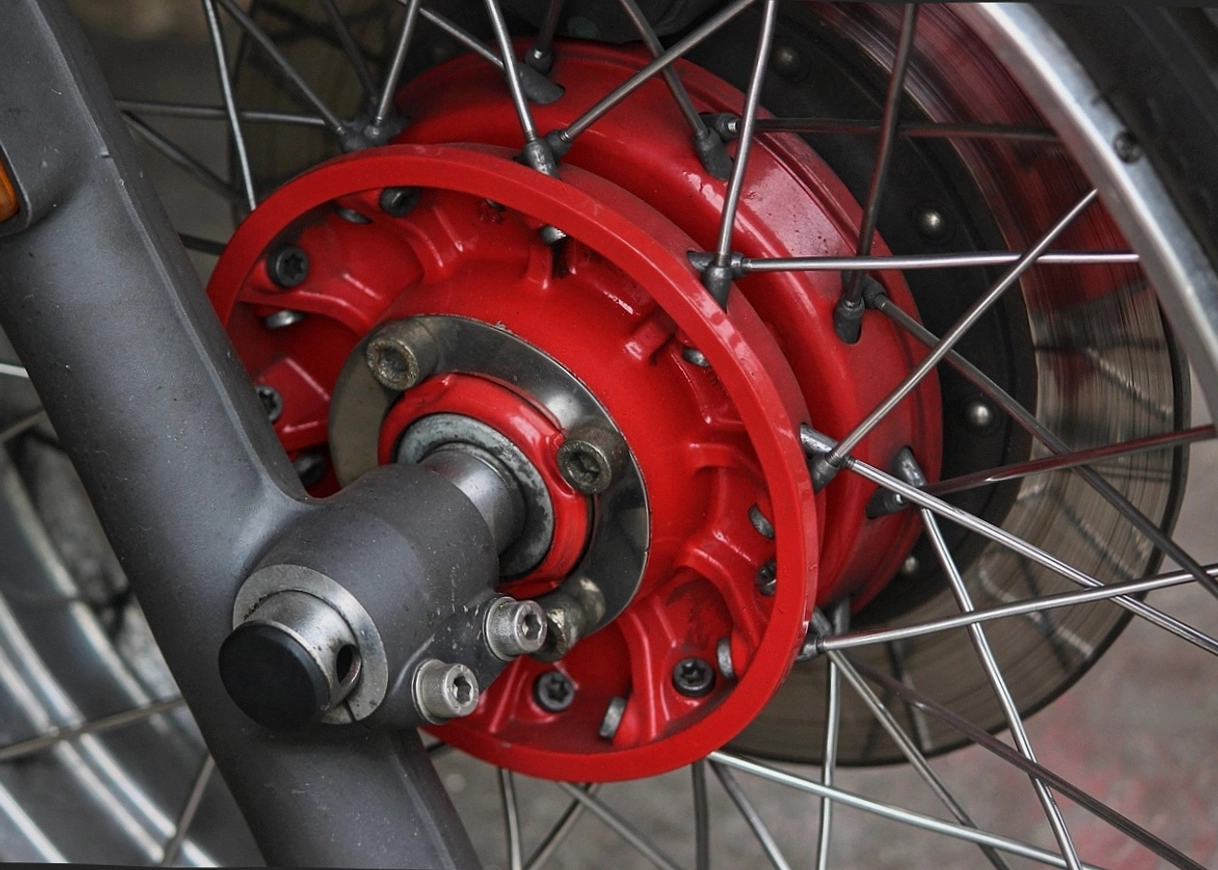
Brake pads inspected on a workshop bench

Brakes, 6 min read

How to tell your brake pads are done

Squeal, grind or a soft pedal each point at a different fault. Here is how to work out which one you have before you book anything.

Read the article
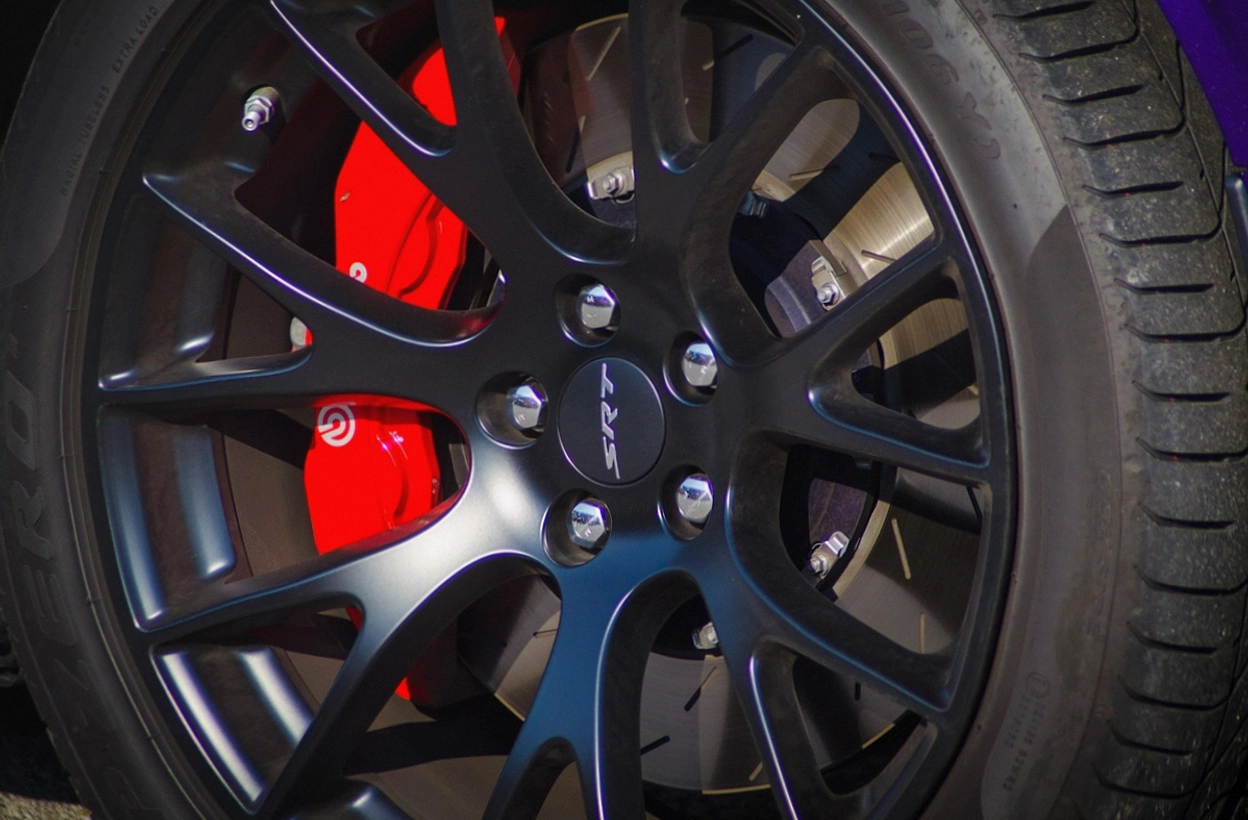
Coilover suspension being adjusted

Suspension, 8 min read

Coilover setup without the guesswork

Ride height, preload and damping all pull against each other. We explain what each adjuster actually does and the order to change them in.

Read the article

Stuck on a part number?

Send us the model, year and engine code and we will come back with the right fitment, the price and how long it takes to land in Brisbane.